
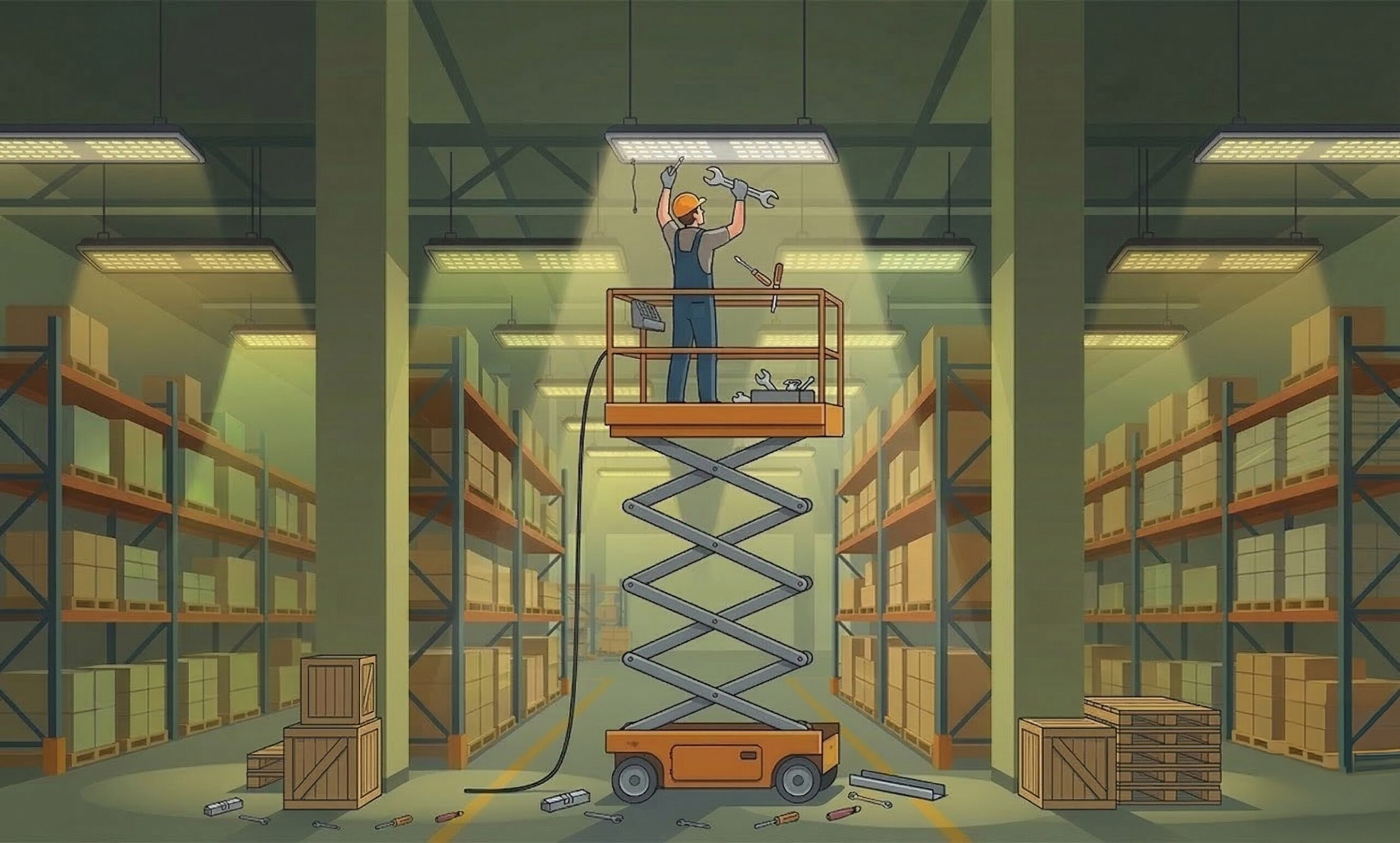

LED lighting technology has revolutionized commercial and industrial illumination over the past two decades, offering unprecedented energy efficiency, long service life, and reduced maintenance costs compared to traditional lighting sources. However, as the earliest generations of LED fixtures and lamps approach or exceed their rated lifespans, facility managers and engineers face critical decisions about when to replace aging LED installations.
Understanding the aging mechanisms, performance degradation, and replacement criteria for LED lighting in commercial and industrial settings is essential to maintaining optimal lighting quality and operational efficiency.
Understanding LED Aging in Commercial and Industrial Fixtures
Unlike incandescent or fluorescent lamps, LEDs do not typically fail abruptly by burning out. Instead, LED aging manifests primarily as gradual lumen depreciation and color shift over time, which can compromise lighting performance and visual comfort in commercial and industrial environments.
Key aging factors include:
Lumen depreciation: The reduction in light output over time is the most common indicator of LED aging. Commercial LED fixtures are typically rated for L70 or L80 lifetimes, meaning the time until the light output falls to 70% or 80% of the initial lumen value. Early-generation LEDs often had L70 lifetimes around 25,000 to 50,000 hours, whereas modern LEDs commonly exceed 50,000 to 100,000 hours.
Color shift: Changes in the chromaticity coordinates can alter the perceived color temperature and color rendering, which is critical in commercial applications requiring color accuracy or consistent illumination conditions.
Thermal degradation: Elevated operating temperatures accelerate LED chip and driver degradation. Industrial environments with high ambient temperatures or poor fixture thermal management can see faster aging.
Driver and component failure: While LEDs themselves degrade slowly, the electronic drivers and ancillary components such as capacitors can fail earlier, causing flickering or complete fixture failure.
When to Consider Replacing Older LED Generations Determining the optimal replacement time for LED fixtures in commercial and industrial settings requires balancing performance requirements, maintenance costs, and energy savings from newer technologies.
1. Lumen Maintenance Falls Below Application Requirements
Many commercial and industrial applications specify minimum illuminance levels to meet safety, productivity, or regulatory standards. When LED fixtures degrade below these thresholds, replacement is warranted. For example, warehouses and manufacturing plants often require consistent light levels for operational safety. If older LED fixtures approach or surpass their L70 or L80 life and the light output no longer meets these criteria, replacement should be planned.
2. Noticeable Color Shift Impacts Visual Tasks
In environments such as printing, retail, or hospitality where color fidelity is critical, even subtle color shifts can lead to errors or unsatisfied customers. If older LED fixtures exhibit significant chromaticity drift, it is advisable to replace them with newer models offering improved color stability and higher Color Rendering Index (CRI).
3. Increased Maintenance and Operational Costs
While LED lighting generally reduces maintenance, older fixtures with failing drivers or components may require frequent repairs or replacements, negating initial savings. If maintenance costs escalate or fixture failures increase downtime, upgrading to modern LED systems with improved driver reliability and modular designs can be more cost-effective.
4. Advancements in LED Technology and Controls
Newer LED generations offer higher efficacy (lumens per watt), better thermal management, and advanced features such as integrated sensors and smart controls. Replacing aging fixtures can yield significant energy savings and operational benefits, especially in large commercial or industrial facilities with high operating hours.
5. Compatibility with Modern Lighting Controls
Older LED fixtures may lack dimming capabilities or compatibility with current building management systems (BMS) and Internet of Things (IoT) platforms. Upgrading to fixtures that support these technologies enables enhanced energy management, occupancy sensing, and predictive maintenance.
Technical Considerations for Replacement
When planning LED fixture replacement in commercial and industrial settings, several technical factors should guide decision-making:
Factor | Consideration |
Rated Lifetime | Compare the L70/L80 ratings of existing fixtures versus new options to estimate remaining life. |
Thermal Management | Assess fixture heat dissipation design to avoid accelerated aging in harsh environments. |
Color Temperature & CRI | Ensure new fixtures meet or exceed original specifications for visual comfort and task needs. |
Driver Quality | Choose drivers with robust surge protection and thermal protection to extend fixture life. |
Energy Efficiency | Evaluate lumen efficacy improvements to quantify potential energy savings. |
Control Compatibility | Confirm compatibility with existing or planned lighting control systems. |
Installation and Retrofit | Consider ease of installation and potential for reuse of existing infrastructure. |
Best Practices for Managing Aging LED Installations
Regular photometric audits: Measure illuminance and color metrics periodically to detect lumen depreciation and color shift early.
Thermal inspections: Use infrared thermography to identify overheating fixtures that may be aging prematurely.
Driver and component testing: Monitor for flickering, dimming, or failure symptoms indicative of driver degradation.
Phased replacement strategy: Prioritize replacing fixtures in critical areas or those with the highest degradation to optimize budget and minimize disruption.
Leverage warranties and service agreements: Work with manufacturers to understand warranty terms and service options for aging LED products.
While LEDs offer long lifespans and robust performance, the earliest generations installed in commercial and industrial facilities are now reaching points where lumen depreciation, color shift, and component wear can impact lighting quality and operational costs. Facility managers should proactively assess aging LED fixtures against performance requirements and technological advancements to determine the optimal timing for replacement.
Upgrading to modern LED fixtures with improved efficacy, reliability, and control capabilities can ensure that commercial and industrial lighting environments look and perform at their peak well into the future.

